

What is no-till farming and why is it gaining popularity?
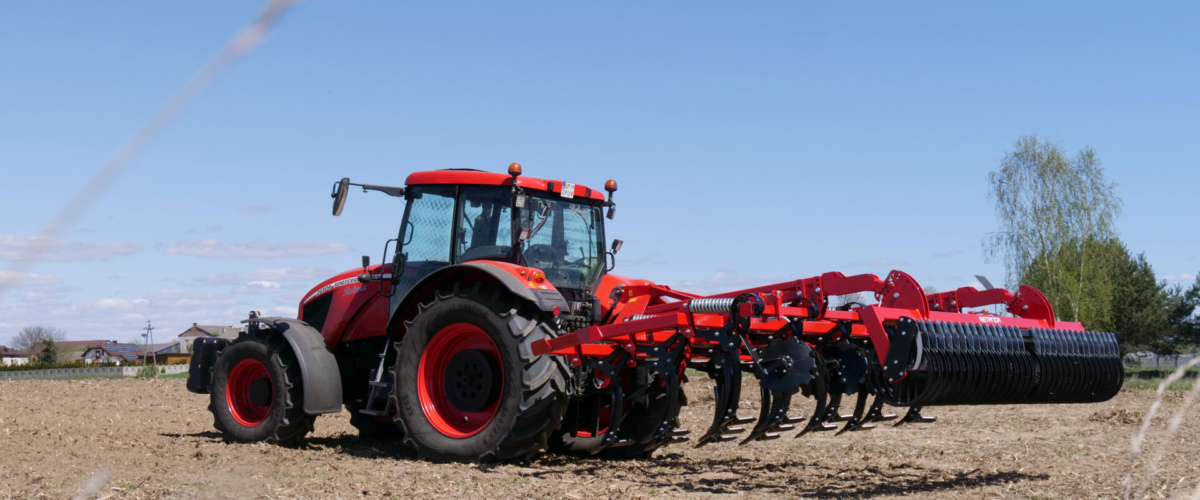
The pillars of no-till farming are minimal mechanical intervention, leaving a soil cover, and a diverse crop rotation:
- minimal mechanical intervention – the goal is to not overturn the soil, but only gently disturb it, which limits weed growth, mixes plant residue with the topsoil, and improves aeration. Reducing the number of passes copmared to traditional tillage helps retain moisture and prevents the formation of a plow layer,
- leaving a soil cover – crop residue creates a natural protective layer that protects the soil from erosion, heavy rainfall, and water loss,
- diverse crop rotation – this maintains the soil’s biological balance, reduces weed infestation, and improves biodiversity.
Machines used in no-till farming include:
- skimming (gruber) cultivators,
- no-till cultivators,
- disc harrows,
- subsoilers,
- direct seed drills,
- weed control machines,
- plant residue management machines.
METANGA offers a wide selection of machines for no-till cultivation. Our disc harrows and stubble cultivators are suitable for shallow cultivation at a depth of 5-10 cm, aimed only at gentle soil loosening. Where plough pans are available and deep loosening is necessary, we offer our no-till cultivators MARIA, GZ and G-SPR subsoilers.
The no-till cultivator MARIA from METANGA is a versatile and durable implement. It is available in a heavy-duty version (ABM-C), which handles challenging soil conditions, and a light version (ABM-S), which is ideal for tractors with lower power and lifting capacity. The Delta Flex tines used in our no-till cultivators feature hydraulic safety systems, ensuring uninterrupted operation even in changing soil conditions. Other features of the MARIA cultivator include a stabilizing tubular roller and a row of discs that ensure proper mixing of residue with the soil. the machine’s robust frame and standard powder coating are other factors that make MARIA a great investment for years to come. The versatility of our no-till cultivator is determined by the possibility of configuration thanks to the use of additional components.
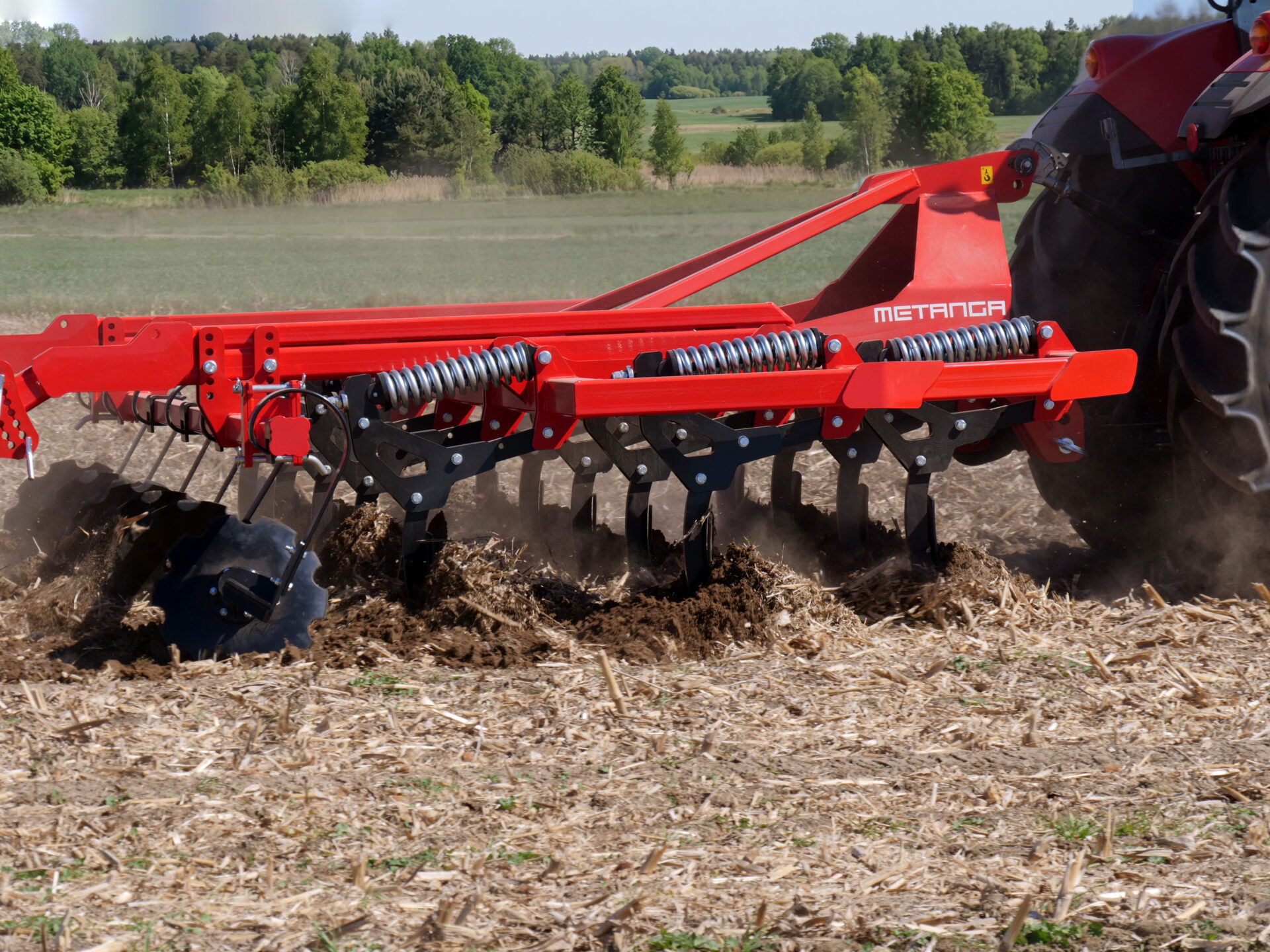
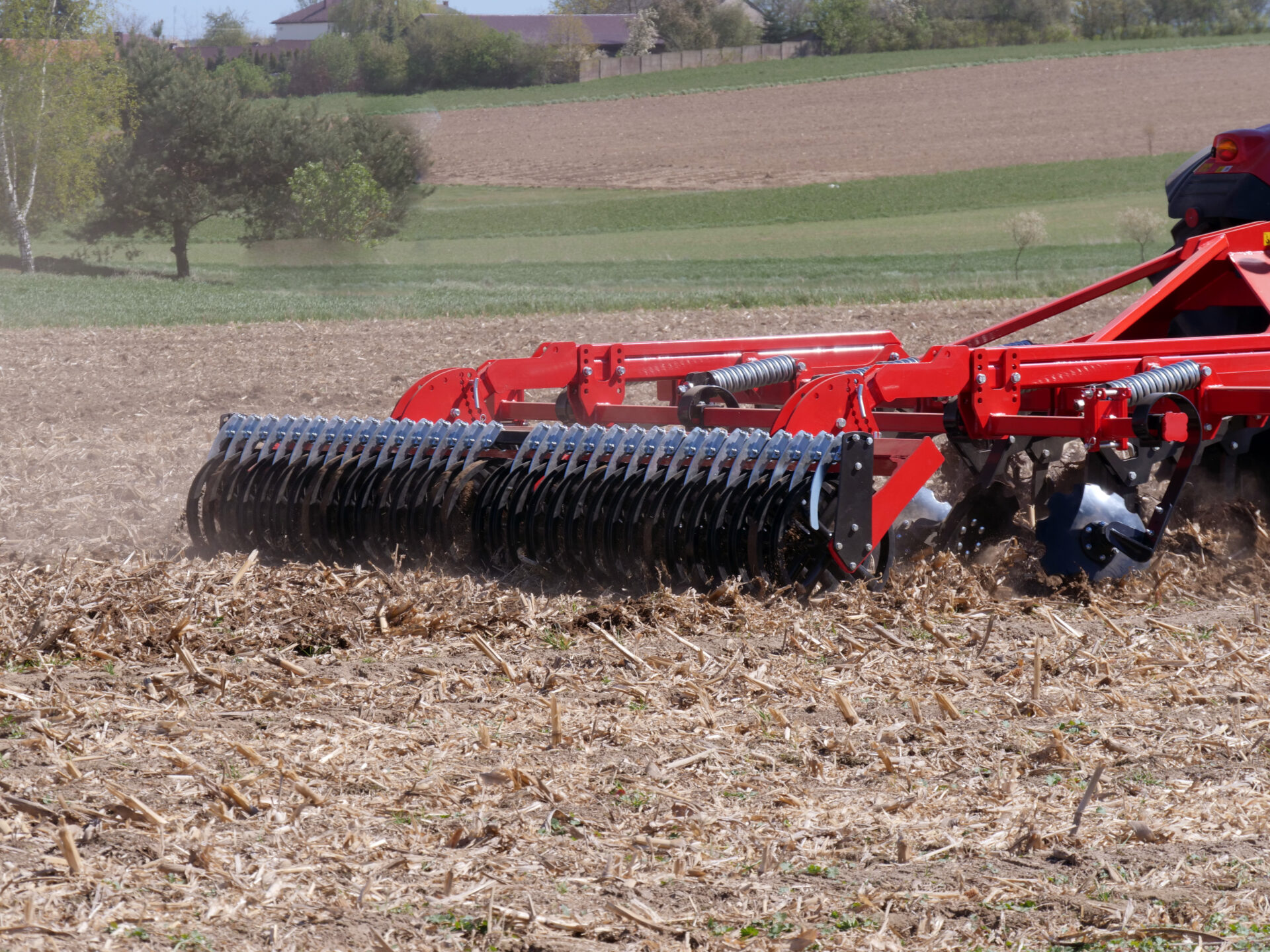
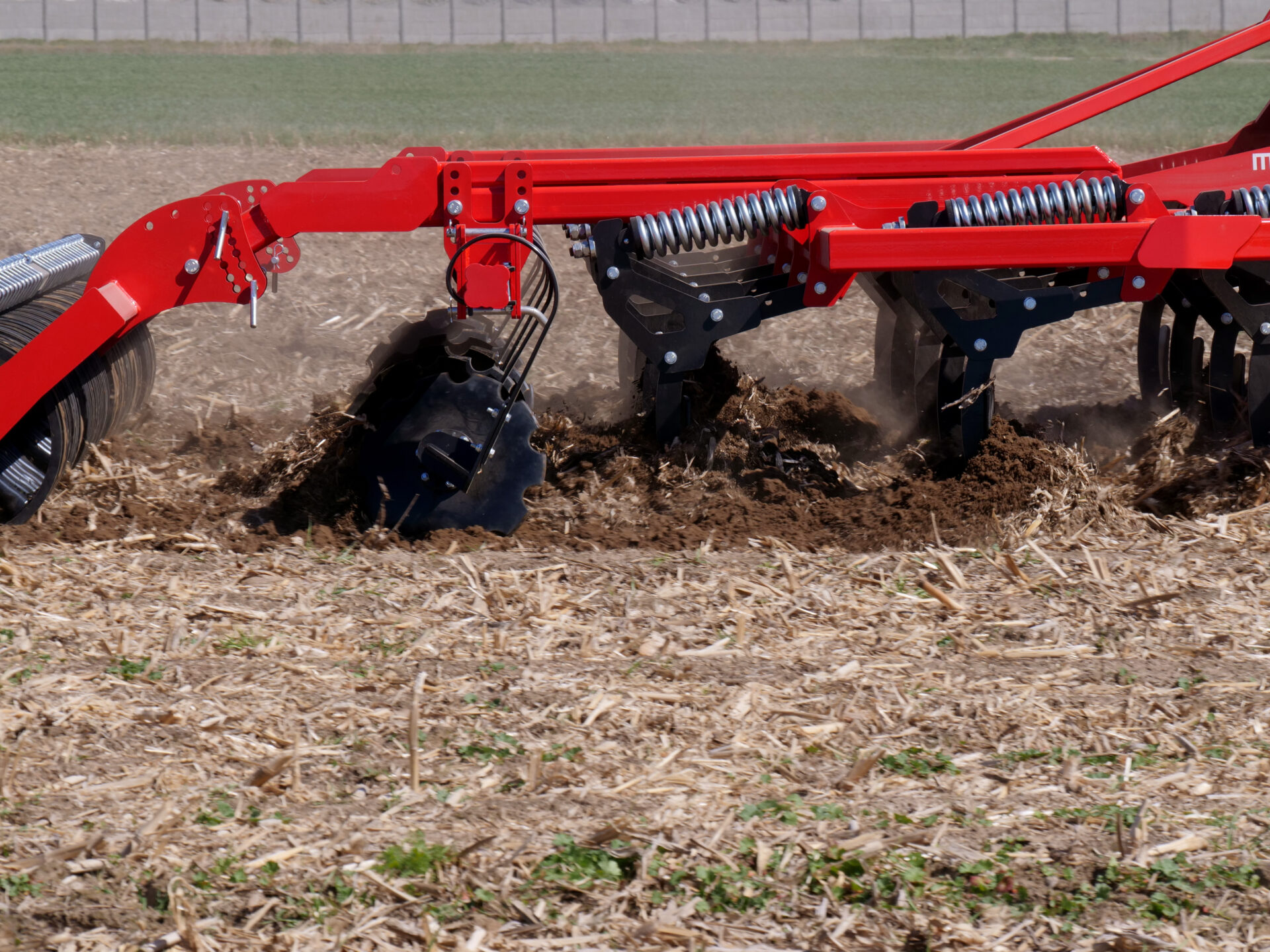
No-till farming offers many benefits, but it’s important to remember that these changes don’t happen overnight – it takes several seasons. Despite this, farmers emphasize that, overall, the advantages of no-till farming outweigh the challenges and that it has the potential to become the standard in modern agriculture.