

Subsoiling as a treatment to improve soil conditions
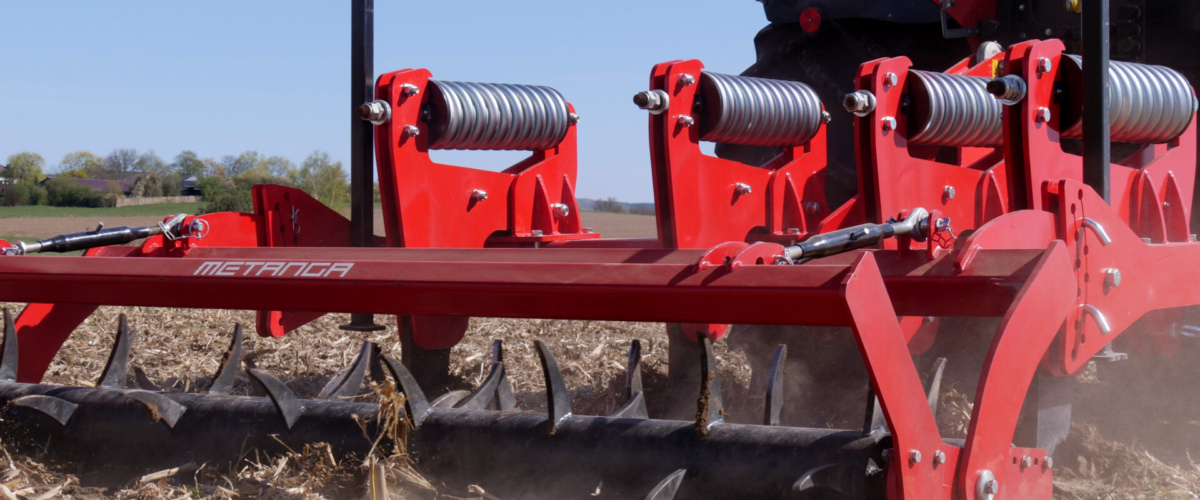
Subsoiling involves deep loosening of the soil without turning it over, unlike traditional ploughing. It’s generally accepted that subsoiling should be performed at a depth approximately 15 cm greater that the annual tillage. The best time for this type of operation is considered to be after the harvest of the previous crop, when the soil has optimal moisture. It’s worth noting that at least 4-6 weeks should elapse between subsoiling and the next sowing – this time allows the soil to “settle” naturally and stabilize its structure.
The benefits of subsoiling include:
- improving soil structure, which facilitates the development of plant root systems,
- increasing the soil’s ability to absorb and retain rainwater – research by the Institute of Soil Science and Plant Cultivation-National Research Institute (IUNG-PIB) has shown that subsoiled soil can retain up to 45% more water than uncultivated soil, meaning that a hectare of subsoiled soil can store an additional 200-400 m³ of water,
- improving soil aeration and gas exchange,
- reducing nutrient losses.
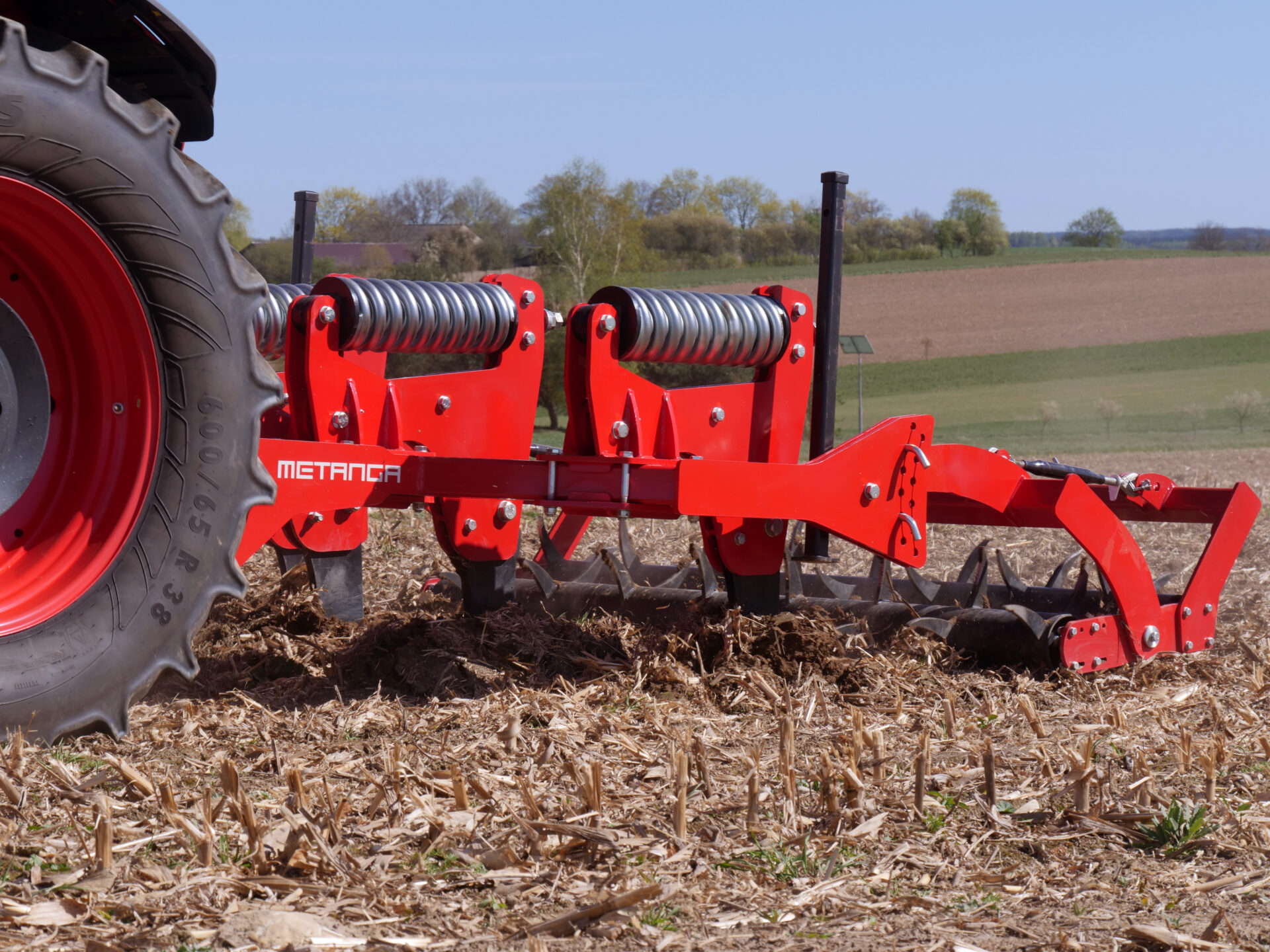
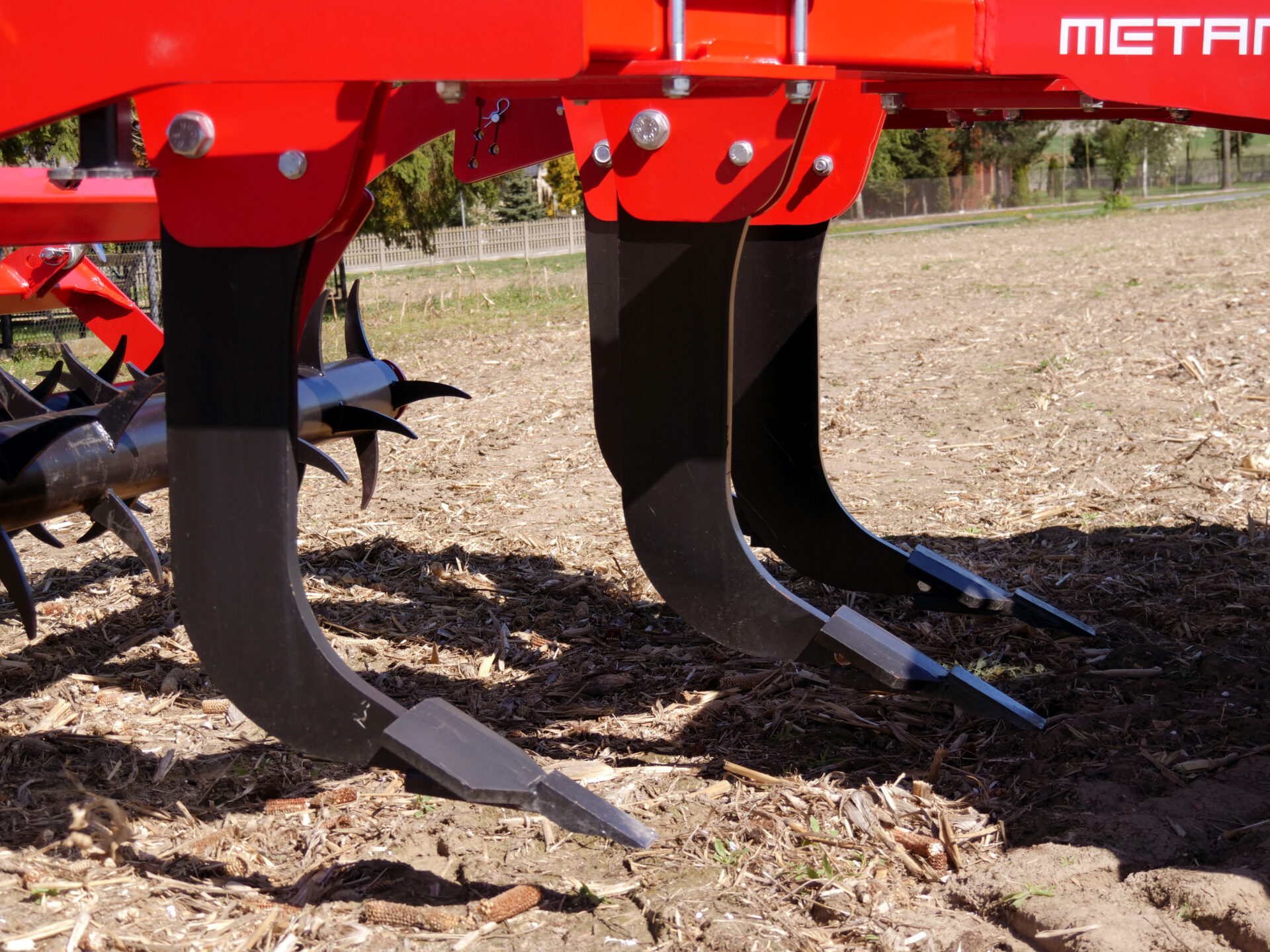
Machines used for subsoiling include subsoiling cultivators, also known as subsoilers. They are equipped with rigid tines that work at a depth of 25 to 35 cm.
METANGA offers cultivators with two protection systems: the pin-type GZ and the spring-type G-SPR. The former uses a pin to protect the machine frame and tine from damage, while the latter uses a spring that deflects the tine and then returns it to its working position if it hits an obstacle. GZ is available in five rowrking widths, from 1.6 m to 3.0 m, while G-SPR is available in four, from 2.2 m to 3.0 m.

Subsoiling can significantly increase yields in various crops. In Denmark, where subsoiling is common, grain yields increase by 12% compared to farms not using this method. It is estimated that farmers there save approximately 15% annually on mineral fertilization costs. Crops that respond well to subsoiling include winter cereals (yield increase of 5-15%), rapeseed (yield increase of 8-20%), root crops, especially potatoes and sugar beets (yield increase of 10-25%), and legumes such as lupins and field beans.
Subsoiling is a modern and effective method of improving soil conditions, which aligns well with sustainable agriculture trends. In the face of the challenges of climate change, it is considered a key element of the adaptation strategy of Polish farms.